
Understanding the UK Legal Requirements for Legionnaires Disease: What Every Duty-Holder Needs to Know
Legionnaires disease is one of the most preventable building-related health risks, yet hundreds of cases are still reported across the UK each year. For employers, landlords, facilities managers, and anyone responsible for water systems, understanding the UK legal requirements for Legionella control is essential for protecting lives and staying compliant.
This comprehensive guide to the UK legal requirements for Legionnaires Disease explains your legal duties and highlights how National Hygiene Services can support your organisation with professional Legionella risk assessments.
What Is Legionnaires’ Disease?
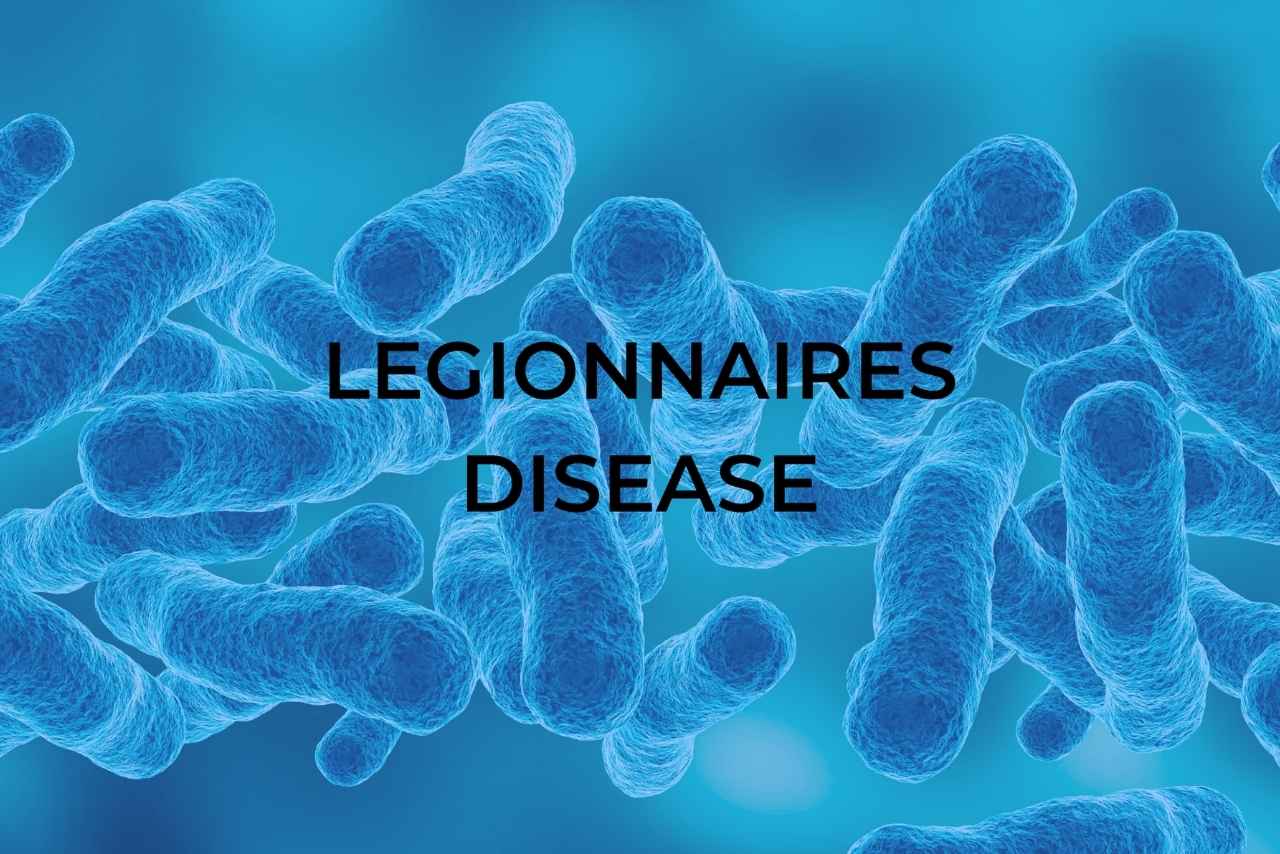
Legionnaires’ disease is a serious form of pneumonia caused by inhaling water droplets contaminated with Legionella bacteria. These bacteria thrive in warm, stagnant, or poorly maintained water systems, especially where water temperatures sit between 20–45°C.
Common sources include:
- Hot and cold water systems
- Cooling towers and evaporative condensers
- Spa and hydrotherapy pools
- Showers, taps, and pipework
- Any system that generates aerosols
For more on where risks commonly occur, read our in-depth guide:
https://rjurmson.com/nationalhygieneservices/understanding-legionella-risks/
UK Health and Safety Legislation Governing Legionella Control
To protect public health, multiple UK laws outline how duty-holders must assess, monitor, and control Legionella risks. Below are the key regulations:
- Health and Safety at Work etc. Act 1974 (HSWA)
The cornerstone of UK health and safety law. It places a general duty on employers and those in control of premises to protect employees and others from health risks, including Legionella. - Control of Substances Hazardous to Health (COSHH) Regulations 2002
Classifies Legionella as a hazardous substance, triggering the requirement for a specific COSHH risk assessment and the implementation of effective control measures. - Management of Health and Safety at Work Regulations 1999 (HSWA)
HSWA requires employers to carry out suitable and sufficient risk assessments to identify hazards and risks such as Legionella and to put in place appropriate control and ongoing monitoring arrangements.
Specific Controls: - Notification of Cooling Towers and Evaporative Condensers Regulations 1992
Cooling towers must be registered with the local authority due to their ability to produce aerosols that can disperse Legionella over wide areas. Mandatory registration is critical for managing this higher-risk system. - Reporting of Injuries, Diseases and Dangerous Occurrences Regulations (RIDDOR) 2013
Work-related Legionnaires’ disease cases must be reported to the HSE. This ensures that health protection bodies are aware of significant workplace outbreaks or cases.
Guidance Documents: - HSE Guidance: ACoP L8
The Health and Safety Executive’s Approved Code of Practice (ACoP) L8 is the primary guidance document for Legionella control. Although not legislation, it carries quasi-legal status:- Following ACoP L8 = considered compliant.
- Not following following ACoP L8 = ou must demonstrate that your alternative methods meet or exceed the same standard
- HSE Guidance: HSG274 – Technical Guidance
HSG274 complements ACoP L8 by providing the detailed “how-to” for implementing safe Legionella control and is divided into three parts:- Part 1: Cooling water systems
- Part 2: Hot and cold water systems
- Part 3: Other risk systems
It includes clear guidance on temperature control, flushing, inspection frequencies, cleaning schedules, and ongoing maintenance. Together, ACoP L8 and HSG274 form the complete framework for legally compliant Legionella management.
Key Duties for UK Duty-Holders
To comply with UK legal requirements for Legionnaires Disease, duty-holders must take the following actions:
A. Conduct a Legionella Risk Assessment
Conducting a Legionella risk assessment is a legal requirement under UK health and safety law, including COSHH and the Management Regulations. It must be carried out by a competent person and should assess:
- Water system design
- Temperature profiles
- Stagnation risks
- Occupant vulnerability
- Effectiveness of existing controls
While industry practice often uses a two-year review cycle, CoP L8 is clear: the risk assessment must be reviewed whenever system or management changes occur or when monitoring suggests it is no longer valid.
National Hygiene Services offers fully compliant Legionella risk assessments across the UK.
B. Implement a Written Scheme of Control
If risks are identified, duty-holders must develop a written scheme outlining:
- How risks will be controlled
- System schematics
- Temperature management
- Maintenance and inspection schedules
- Emergency actions
This becomes your operational water safety plan.
C. Put Control Measures in Place
The primary control measures for managing Legionella are correctly identified as temperature control, regular flushing, inspection and cleaning, and water sampling.
Temperature control is the most effective method, and the target temperatures set out in HSG274 Part 2 are accurate:
- Hot water stored at ≥ 60°Cto kill bacteria
- Hot water circulated or distributed at ≥ 50°C to prevent growth
- Cold water maintained at ≤ 20°C
D. Keep Accurate Records
Meticulous record-keeping is essential for demonstrating legal compliance and due diligence.
Best practice is to retain documentation for at least 5 years, including:
- Temperature monitoring logs
- Flushing records
- System maintenance logs
- Sampling results
- Corrective actions
Legally, the significant findings of the risk assessment and the written scheme of control must be kept for as long as they remain current and for at least 2 years afterwards, while other operational records must be retained for a minimum of 5 years. Using a 5-year retention cycle ensures consistent compliance alignment with HSE expectations.
E. Appoint a Competent Person
Duty-holders must appoint a “Responsible Person” with the necessary knowledge, skills, training and experience to manage legionella control.
National Hygiene Services provides qualified Legionella specialists to act as your competent person.
Special Requirements for Certain Premises
Some settings face additional responsibilities due to higher risks or vulnerable populations.
- Healthcare Settings – Hospitals and care settings must follow enhanced guidance such as HTM 04-01, due to increased patient vulnerability.
- Landlords – Domestic landlords must ensure water systems are safe and documented, even within simple or low-usage systems.
- Cooling Towers – Require strict monitoring, record-keeping, and mandatory local authority notification.
Reporting and Managing Legionnaires’ Disease Cases
Legionnaires’ disease is notifiable disease, meaning:
- Doctors must report suspected or confirmed cases to local Health Protection Teams
- Employers must report work-related cases under RIDDOR
If contamination is identified within a water system, immediate corrective action such as shock disinfection or flushing is legally required.
Consequences of Non-Compliance
Failing to manage Legionella risks and legal requirements for Legionnaires Disease can result in:
- HSE enforcement notices
- Significant fines
- Criminal prosecution
- Civil legal claims
- Business disruption
- Severe reputational damage
- In extreme cases, imprisonment
Several UK outbreaks have led to major prosecutions, demonstrating how seriously regulators treat Legionella control.
Stay Compliant with UK Legal Requirements for Legionnaires Disease
Compliance with the UK legal requirements for Legionnaires Disease is essential for protecting building users and avoiding significant legal consequences. With proper risk assessments, a clear written scheme, regular monitoring, and professional oversight, you can maintain a safe and fully compliant water system.
National Hygiene Services provides expert Legionella risk assessments, monitoring, and ongoing support across the UK. If you need help meeting your duty and legal requirements for Legionnaires Disease, or improving your compliance, get in touch with the team.