Quick Read Menu
What Is Seasonal Commissioning?
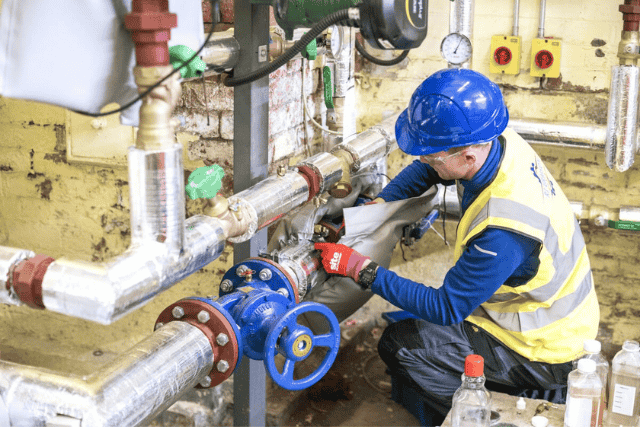
Seasonal commissioning of HVAC (Heating, Ventilation, and Air Conditioning) systems is a proactive process designed to ensure building services perform efficiently, safely, and reliably during periods of peak demand.
Rather than reacting to faults during extreme weather, seasonal commissioning allows systems to be tested, adjusted, and optimised before they are put under strain.
Beyond Handover: Real World Performance
Unlike one off commissioning at building handover, seasonal commissioning recognises that HVAC performance fluctuates throughout the year. It involves revisiting systems during peak heating or cooling periods to reflect real world operating conditions.
Controls, setpoints, airflows, and water temperatures are reviewed and refined to ensure the system continues to operate in line with its design intent, regardless of external temperature or occupancy changes.
Key Benefits of Seasonal HVAC Commissioning
1. Improved Energy Efficiency
HVAC systems account for a significant proportion of a building’s total energy consumption. Seasonal commissioning ensures systems operate at peak efficiency when demand is highest.
By reviewing control strategies, sensor accuracy, valve operation, and system sequencing, engineers can eliminate energy waste, leading to meaningful reductions in consumption, particularly in complex or multi use buildings.
2. Reduced Operational Costs:
Improved efficiency translates directly into cost savings. By preventing systems from overworking, short cycling, or running unnecessarily, seasonal commissioning helps control rising utility costs.
For multi site or portfolio based facilities, these savings scale quickly, making seasonal commissioning one of the most cost effective HVAC optimisation strategies available.
3. Lower Carbon Emmissions:
Optimising HVAC performance is a critical step in reducing a building’s carbon footprint. Lower energy consumption supports environmental responsibility and helps organisations meet sustainability targets, ESG commitments, and wider Net Zero strategies.
4. Extended Equipment Lifespan
Components subjected to excessive strain, poor control, or unbalanced loads are more prone to premature failure. Seasonal commissioning identifies issues such as incorrect setpoints, failing sensors, or conflicting control logic before they result in costly breakdowns.
Addressing these issues early extends equipment lifespan and helps defer long term capital replacement costs.
5. Regulatory Compliance & Best Practice
Seasonal commissioning supports compliance with industry guidance and best practice, including CIBSE Code M and BSRIA standards. It also contributes to maintaining Part L compliance and supports buildings targeting BREEAM ratings.
This is particularly important in regulated or high risk environments such as healthcare, education, laboratories, and commercial offices.
6. Enhanced Indoor Air Quality (IAQ)
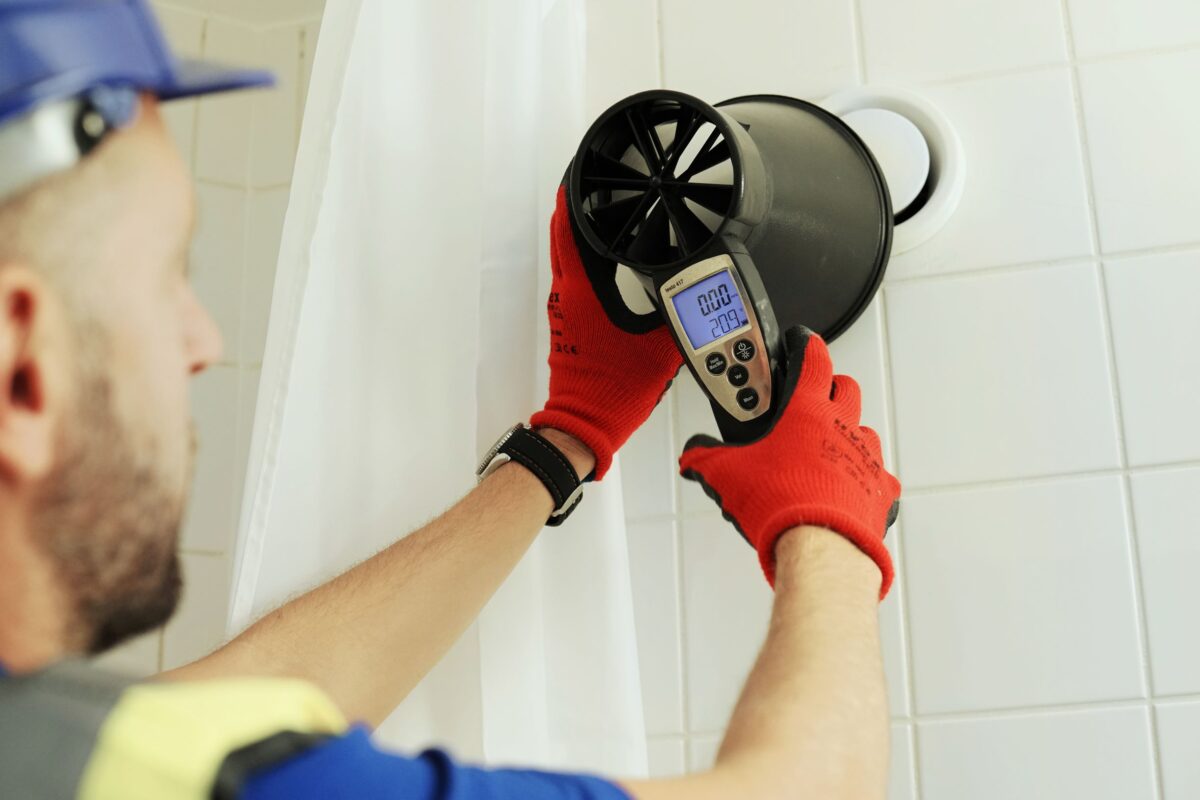
Ventilation performance is a core focus of seasonal commissioning. Engineers verify airflow rates, filtration performance, damper operation, and control strategies to ensure fresh air delivery meets design and safety requirements.
Maintaining good IAQ supports occupant health, wellbeing, and productivity.
Frequently Asked Questions
What is the main goal of seasonal HVAC commissioning?
The primary goal is to optimise system performance during peak seasonal conditions, such as summer cooling or winter heating. Systems commissioned during mild conditions can struggle during heatwaves or freezing weather without seasonal adjustment.
How often should seasonal commissioning be carried out?
For most commercial buildings, a biannual schedule is recommended: once during the cooling season and once during the heating season. High‑occupancy or critical environments, such as hospitals or data centres, may benefit from quarterly reviews.
Is seasonal commissioning a regulatory requirement in the UK?
While not always a standalone legal requirement, seasonal commissioning is recognised within CIBSE and BSRIA best practice guidance. It also supports Part L compliance and contributes to achieving BREEAM “Excellent” or “Outstanding” ratings.
Can seasonal commissioning really reduce energy bills?
Yes. By correcting issues such as simultaneous heating and cooling, incorrect setpoints, and inefficient control logic, most buildings see measurable reductions in energy consumption and utility costs.
How We Can Help
At RJ Urmson Commissioning Engineers Ltd, our specialist team delivers professional seasonal commissioning services tailored to your building and operational requirements. We work proactively to fine tune HVAC systems, identify hidden performance issues, and ensure year round reliability.
Ready to optimise your building for the season ahead? Get in touch with our team today to keep your facility running smoothly, efficiently, and compliantly.